HOW LASER TATTOO REMOVAL WORKS

Tattoos have been a form of self-expression for centuries. Still, as personal tastes change or life circumstances evolve, many individuals seek ways to remove or modify their inked artwork. One of the most popular and effective methods for tattoo removal is laser tattoo removal. This article will delve into the fascinating world of laser tattoo removal, exploring the science behind it, the technology involved, the procedure, and potential risks and benefits.

The Science Behind Laser Tattoo Removal

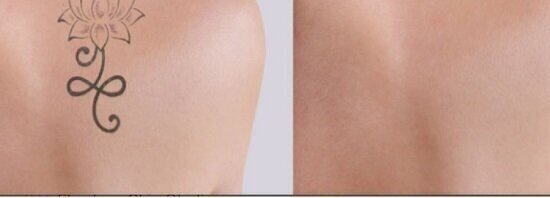
Laser tattoo removal targets specific chromophores (colour molecules) within the skin without damaging surrounding tissues. The primary chromophore in tattoo ink is melanin, the pigment responsible for skin and hair colour. Different wavelengths of light are used to target specific colours of tattoo ink, breaking them down into smaller particles that the body can naturally eliminate.
tattoo3.jpg

The Technology Involved

The lasers used in tattoo removal emit high-intensity light in short pulses. Different types of lasers are employed to target various ink colours, with each laser emitting a specific wavelength that corresponds to the absorption spectrum of the targeted pigment. Common lasers used in tattoo removal include Zeolight Nd:YAG, which is what we use at Aspen.

The Procedure

Consultation: Before undergoing laser tattoo removal, individuals typically have a consultation with a trained professional to assess the tattoo's size, colour, location, and the individual's skin type. This information helps determine the appropriate laser and treatment plan.

Protective Measures: To protect the patient's eyes from the intense laser light, protective goggles are worn during the procedure. The tattoo area is also cleansed.

Laser Application: The laser is then directed at the tattooed area, delivering short bursts of energy. The energy is absorbed by the tattoo pigments, causing them to heat up and break into smaller fragments.
tattoo5.jpg

 Benefits of Laser Tattoo Removal

 Precision: Laser tattoo removal offers precise targeting of specific ink colours, minimizing damage to the surrounding skin.

Versatility: Different types of lasers can be used to treat a wide range of tattoo colours, making this method suitable for various tattoos.

Minimal Scarring: When performed by a skilled professional, laser tattoo removal tends to result in minimal scarring compared to other removal methods.

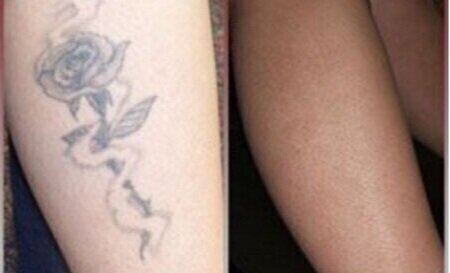
 Laser tattoo removal has revolutionised the process of undoing permanent ink, offering a safe and effective method for those looking to erase or modify their tattoos. Advances in technology continue to improve the precision and efficiency of this procedure, making it a popular choice for individuals seeking a fresh start or a new canvas for self-expression. If considering laser tattoo removal, it's crucial to consult with a qualified professional to discuss expectations, potential risks, and the most suitable treatment plan for your unique tattoo.


A STEP ABY STEP - HOW TO ACHIVE A SALON QUALITY BLOW DRY AT HOME

Our hair is the Crown we never take off and one of the most valuable accessories.

Makeup is great, but if your hair is not right, even if you have the best makeup application - without your hair being right, you just won't feel as good as you could.

We all want what we don't have - people with naturally curly hair want straight and vice versa. It's about making the best of what you have -here is a step by step approach to achieving salon finish hair.

Hair Preparation

  1. Massage the scalp in the shower for 5 mins -this really pays dividends as it will stimulate the scalp to produce more sebum ( the hair and skins natural moisturiser )

  2. Towel dry -squeezing the hair through the towel to remove the excess moisture ( do not rub) as this will cause breakage, knotting and tangles)

  3. Never use a brush to initially take the tangles out of the hair after shampooing - ALWAYS use a wide-toothed comb to remove tangles - ( a brush may put undue pressure on the wet hair and cause breakage )

  4. After towel drying the hair -blast the hair up to 75% dry with a hairdryer on medium heat BEFORE applying product .-you will use less product this way and it will be more effective -saving you not only time but money too !!!

  5. Section your hair into four even sections -two at the front -two at the back, this may seem time-consuming but will actually save you time !!and give a much better, professional result.

  6. Choose whichever brush for the effect that you wish to achieve

Types of Brushes

Paddle - (flat) brush for medium to long hair for a straight smooth effect.
Round brush - the smaller the barrel the more curl you will achieve.
Small barrels - short hair, curl effect
Medium barrels - mid-length hair -soft curl/bend
Large barrels - long hair - slight bend but mainly smooth finish with volume 

Drying

Take the hair in 1” sections and work from nape to crown. Then, temple either side to crown till all of the hair is dry. Work in the direction that you want the finished result to be. 

When the drying process is complete if necessary use tongs or straighteners depending on the effect you wish to achieve. Again, do this in sections so that they work effectively. Too large a section and the heat will not penetrate leaving an unsatisfactory result and meaning you have to go over the section again - unnecessarily overheating the hair which could lead to damage.

Voila! Salon finish hair styling.

HAIR COLOURING TECHNOLOGY EXPLAINED

Balayage 

The process of painting on highlights of blocks of colour strategically onto the hair directly, and without using foils.With this technique, the coloured sections will be placed artfully around the head developing the look of naturally sun-kissed strands.

Foiling

Using actual aluminium sheets cut to size for highlighting ( lifting and making the hair lighter ) or low lighting (adding colour and /or tone to the hair.

Colour Correction 

Careful placement of colour mixed with additional (missing) tones will have to be added to correct the overall colour.

Bleach Shampoo 

This process can be carried out periodically to remove colour build up or a toner.

Toner

Applied after the colour, this treatment leaves the hair glossy and shiny and will add warm tones to the base colour. 

Semi-Permanent Colour

Used to add tone and depth to the hair, these products WILL NOT lift or lighten the hair as there is no peroxide added. They usually last 6-8 shampoos.

Quasi Permanent

Often misleading sold to the general public as semi-permanent colours -the only difference between these colourants and permanent colours is the strength of peroxide used and the length of developing time which is approx 20-25 mins whereas a permanent colour is 35-45 minutes. They are lovely colours but rather that grow out as would a permanent colour these colours will fade leaving a less rigid line of regrowth.

Partial Highlights

With partial highlights, colour is applied to the hairline ( parting ) and crown of the head. This method is also known as express highlights and can be all that is needed to lift and refresh in-between full highlight treatments.


Why choose a salon colour to home colouring? 

The salon quality product helps to protect hair against breakage during the colouring process, achieving a rich, polished shade and takes all the hassle out of trying to reach all root areas in order to achieve a flawless natural result.

The result - a shinier, stronger and smoother result with an extra long - lasting shine. 

So, whether you want to have a whole new look or just take care of those ever advancing greys at Aspen Hair and Beauty we can build a bespoke colouring treatment especially for you meeting your expectations and requirements.